Exploring Personalized Longboards: Your Unique Ride


Intro
In the fast-paced world of extreme sports, the thrill of speed meets the artistry of personalization, especially when it comes to longboarding. The longboard isn’t just a recreational tool; for many enthusiasts, it reflects a lifestyle, an identity, and a personal story. The evolution of longboard design has paved the way for riders to express themselves uniquely, allowing them to tailor their gear to fit not just their performance needs but also their aesthetic preferences.
Personalized longboards do more than just look good; their configurations can influence everything from balance to maneuverability. The continuous advancements in materials and design techniques further enhance the riding experience, making the subtle differences between boards night and day.
Techniques and Skills Development
Key Techniques for Specific Sports
Getting the most out of a personalized longboard involves mastering specific techniques suited to one’s style of riding. Whether it’s cruising, downhill racing, or freestyle maneuvers, every approach requires unique skills. Here’s a look at some essential techniques:
- Carving: Understanding how to shift your weight correctly to make smooth turns can significantly improve your ride. Learning to carve effectively uses friction and gravity to maintain speed while looking stylish.
- Sliding: This skill is crucial for downhill riders aiming to control their speed. Techniques like the Coleman slide or the stand-up slide can be learned through practice, ideally on a gentle slope.
- Freestyle Tricks: For those interested in this area, balance and foot placement are key. Tricks like the shove-it or the kickflip place significant demands on coordination and timing.
Progression Levels: Beginner to Advanced
A rider's journey often starts simple and gradually dives deeper. Here’s a rough breakdown of progression:
- Beginners should focus on mastering balance and pushing off comfortably. Learning to control the board while coasting is fundamental.
- Intermediate riders can explore turning techniques and begin experimenting with tricks or downhill riding.
- Advanced riders should hone their skills in complex tricks and participate in competitive environments, testing the limits of their personalized boards.
Common Mistakes to Avoid
Every rider makes mistakes, especially in the early stages. Here are a few traps to steer clear of:
- Neglecting Safety Gear: Always wear protective gear, such as helmets and pads. It’s better to be safe than sorry.
- Ignoring Maintenance: A longboard in poor condition can lead to accidents and injuries. Regularly check your wheels, trucks, and board integrity.
- Overlooking Technique: Sometimes riders focus too much on tricks and forget to perfect basic skills, which can set back progress.
Training Tips and Regimen
Physical Conditioning Required
Longboarding isn’t just about technique; it’s also a physically demanding activity. Riders should focus on building core strength and flexibility. Exercises such as squats, lunges, and balance training can greatly improve performance on the board.
Mental Preparation Strategies
Having a clear mind is almost as important as physical readiness. Visualization can be a helpful tool. Picture yourself executing a smooth slide or a flawless carve before attempting it.
Personalized Training Plans
Tailoring your training based on individual goals and skill levels is advisable. Riders may want to prioritize specific areas, be it agility, speed, or trick execution. Keeping a journal to track progress can be beneficial as well.
Gear Reviews and Recommendations
Essential Gear for Each Extreme Sport
When selecting the right equipment, it’s key to know what fits your style and needs:
- Longboard Decks: Different shapes and materials affect performance. For instance, bamboo boards are light and flexible, while maple boards offer more sturdiness.
- Trucks: Choose between different widths and materials based on how you plan to ride.
- Wheels: Hardness and size change how a board rides. Softer wheels are better for rough surfaces, while harder ones suit smooth tracks.
Product Comparisons and Rankings
When assessing gear, take time to compare brands like Landyachtz, Arbor, and Globe. Each offers unique features, appealing to various preferences and riding styles.
Maintenance Tips for Longevity
Regular maintenance can extend a board's life:
- Clean bearings with lubricant to keep your ride smooth.
- Tighten trucks regularly to ensure stability.
- Inspect wood for cracks or damage before every serious ride.
Safety Guidelines and Tips
Safety Gear Checklist
Your gear should include:
- Helmet – Must fit snugly and comfortably.
- Wrist guards – Protects against common falls.
- Knee and elbow pads – Cushions the impact.
Risk Assessment and Management
Knowing your environment is essential. Assess the path ahead, examining for hazards like potholes or gravel patches. Choose smoother routes to practice skills rather than risky and unpredictable areas.
First Aid and Emergency Preparedness
Accidents happen, so being ready is key. A basic first-aid kit can come in handy. Include:
- Band-aids and antiseptic wipes
- Gauze and tape for cuts
- A cold pack for sprains or bruises
The relationship between a rider and their longboard is powerful. Each customization, every choice reflects a facet of one’s identity, ultimately shaping the entire riding experience.
As personalized longboards continue to grow in popularity, the journey of finding and perfecting one’s unique ride remains both a challenge and a joy worthy of pursuit. The community around longboarding, filled with stories and shared experiences, further enriches the thrill of claiming a ride that feels just right.
Understanding Longboarding
Longboarding is more than just a way to get from point A to point B. It’s a culture, a lifestyle, an art form in motion. Understanding longboarding forms the bedrock of appreciating everything that follows in this article. The more you know about longboarding, the better equipped you are to dive into the world of personalization. Knowing its roots, techniques, and the sheer variety of equipment available allows riders—whether beginners or old-hands—to make informed choices tailored to their unique riding style.
At its core, longboarding melds the thrill of speed and the freedom of carving, but it is also about connection. Riders often express their identities through their boards. Each ride tells a story, each deck a canvas waiting for personal touches, allowing riders to truly own their experience. Understanding longboarding is essential to unlocking a deeper relationship with the sport.
What is Longboarding?
Longboarding, simply put, is cruising on longer, more stable boards than regular skateboards. These boards generally range from 33 to 59 inches in length, allowing for different styles like downhill, cruising, or freestyle. Longboards are designed to accommodate various riding styles and preferences, offering greater stability than their shorter counterparts.
Riding a longboard feels like a dance with the pavement; you carve through turns, glide downhill, and feel the wind kiss your face. This experience is often more graceful than intense, appealing to those who appreciate not just speed but also style.
The Rise of Longboarding Culture
The evolution of longboarding is a fascinating tale woven with threads from history, community, and influence from other sports. The culture rose from modest beginnings, gaining traction among a group of adventurous spirits who craved a unique way to challenge themselves.
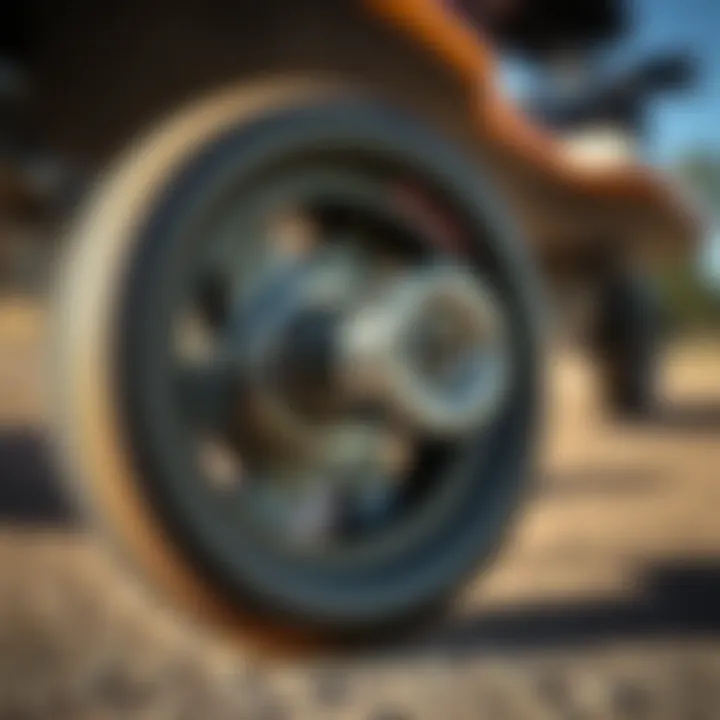
Historical Overview
The historical development of longboarding shows how it evolved from basic wooden boards to sophisticated designs tailored for performance. In the late 1950s and early 60s, surfing, and skateboarding collided, which marked the birth of this new sport. It began as a way for surfers to practice riding on land, leading to innovation in board design. The introduction of wider trucks and larger wheels set the stage for the longboards we see today. This historical context is beneficial to understand not just the sport, but also the community it has birthed and the personalities it fosters.
Longboarding today is not just another passing trend; it has solidified its place in the extreme sports scene.
Influence of Skateboarding
Skateboarding has had a significant influence on longboarding’s growth. The tricks, techniques, and styles from skateboarding seamlessly translated into longboarding, enriching its repertoire. Just as skateboarding laid the groundwork, longboarding took it further, offering a smoother ride and greater flexibility in styles. The duality of their relationship only strengthens the appeal of longboarding today.
This blend has inspired a generation of riders to explore different terrains and tricks. However, the roots of this sport originate in skateboarding culture, and for many longboarders, there’s a kinship with the original skateboarding community.
Emergence of Longboard Communities
Emerging longboard communities have played a pivotal role in expanding the culture. In recent years, social media platforms like Reddit or Facebook groups have become hotspots where enthusiasts gather, share customs, tricks, and ride locations. These communities establish a sense of belonging that resonates with riders around the world.
There’s an undeniable sense of camaraderie as riders connect with each other based on shared passions. Resources, events, and meet-ups are regularly organized, forging friendships and networks that can last a lifetime. The strong community ties are often described as one of the best parts of being a longboarder, helping riders feel like they’re part of something bigger.
To summarize, understanding longboarding encompasses a variety of factors: knowing what it is, appreciating its cultural rise, and recognizing how interconnectedness contributes to the overall riding experience. By diving into this realm, riders are not just choosing a sport; they're becoming part of a rich, dynamic culture.
The Concept of Personalization
Personalization in longboarding isn't just about aesthetics; it’s the very essence of what makes riding a longboard a unique experience. This concept embraces every nuance from design to performance, allowing riders to express themselves, enhance their riding experiences, and connect with a community sharing similar passions. The beauty of making a longboard your own lies in the details – every choice speaks volumes about who you are and how you ride.
Why Personalize a Longboard?
Expression of Individuality
Individuality is a core tenet of longboarding culture. When you personalize your longboard, you aren't just modifying a piece of equipment – you're reflecting your personality and taste. The key characteristic here is that each board tells a story. Whether it's a bright, graffiti-like splash of colors or a minimalistic design, the longboard becomes a canvas for self-expression. This is particularly appealing for many riders, as it offers a chance to stand out in a sea of similar boards. A uniquely designed longboard not only catches the eye but also fosters a sense of pride in ownership.
However, one downside could be the challenge in finding the balance between personal expression and market trends. Not everything that screams "me" may resonate with others, leading to potential isolation in one’s creative choices.
Enhanced Riding Experience
One of the best aspects of personalizing a longboard is how it can directly improve the riding experience. Customizing deck flex or truck hardness can enhance performance tailored to individual riding styles. Imagine carving your favorite path, feeling the board respond to your body like a trusted partner. This characteristic of improved performance is vital, as it can transform an average ride into an exhilarating experience.
But there’s a fine line. While some personalization works wonders, extreme modifications without proper knowledge might be detrimental. Finding that sweet spot takes research and understanding.
Community Connection
Personalization also fosters connections within the longboarding community. When you customize your board, it often becomes a talking point among fellow riders. The key feature here is like a badge of belonging. You share a piece of yourself, and in return, you may learn from others who have taken the plunge into personalization. This characteristic of shared experiences amplifies not just engagement but also ownership of the culture surrounding longboarding.
The downside might come when personal styles diverge widely. While diversity is a strength, it can also lead to cliques based on particular tastes. Yet, this only adds to the rich tapestry of the longboarding scene, making it all the more vibrant.
The Psychology Behind Customization
Identity Formation
The process of personalization relates deeply to identity formation. Longboarding isn't just a hobby for many; it's a lifestyle. The choices made when customizing a board often reflect broader aspects of the rider’s life. Riders often find themselves immersed in a culture that aligns with their personal beliefs and values. This alignment becomes a crucial aspect of their identity. The emotional connection to their deck can lead to increased confidence and a sense of belonging.
However, a stark divide sometimes surfaces – individuals may feel pressured to conform to popular trends, risking their individual identity in favor of acceptance. This psychological push and pull can impact a rider's overall satisfaction.
Ownership and Affinity
Owning a customized longboard creates a deep sense of affinity. It’s about more than having a functional tool; it’s about feeling that this customized piece of wood is a reflection of oneself. The relationship between the rider and their board strengthens through this journey of customization. Riders often form emotional ties to the intricate details of their boards, from the grip tape to the graphic finish.
Nevertheless, there's a challenge in this. With great attachment comes the fear of damage or deterioration. Riders may occasionally find themselves more worried about minor scratches than actually enjoying the ride.
Personal Narratives in Longboarding
Personal narratives play a significant role in longboarding, particularly evident through the stories that are told of rides, falls, and triumphs. Each rider’s journey contributes to a larger library of experience that reflects resilience. The unique feature of sharing these stories is vital—it's what turns individual rides into collective experience, bonding riders time and again.
Yet, one must consider the balance of sharing versus oversharing. While it’s important to connect with others, some narratives may not resonate universally, leading to potential disconnects. It’s the careful crafting of these narratives that makes them meaningful.
Components of a Personalized Longboard
When you dive into the realm of personalized longboards, it quickly becomes clear just how crucial the components are in crafting a ride that stands out. Each part of the board not only affects how you maneuver on it but also expresses your style and riding preferences. Getting the components right ensures that every ride is as comfortable and enjoyable as possible. Let's break this down step by step.
Choosing the Right Deck
Deck Shapes and Sizes
The type of deck can skew the entire longboarding experience. Think of it like choosing the right pair of shoes; it can make or break your day. Generally, longer decks provide better stability. Meanwhile, shorter decks are more agile, allowing for speedy turns. Traditional longboards often carry a pintail shape which assists in downhill riding while retaining a slick, classic look. If you prefer cruising or sliding, a drop-through deck may suit your needs better since it lowers your center of gravity. However, keep in mind that different shapes can impact the way you ride.
- Key characteristics: Length, width, and shape significantly influence your stability and control.
- Popular Choice: Many riders favor the pintail for its versatility in both cruising and carving.
- Advantages/Disadvantages: Longer decks are stable but may lack maneuverability compared to shorter, trick-oriented formats.
Material Varieties
Deck material brings a wealth of options to personalize your ride. Common choices range from maple to bamboo, each providing a different balance of flexibility and strength. Maple, for example, is recognized for its durability and stiffness, making it a solid options for those who want speed and stability. On the other hand, bamboo offers a unique flex and lightness, often charming riders who like a smoother ride. The material isn't just functional; it also contributes to the overall aesthetic of the board.
- Key characteristics: Density, flexibility, and weight all vary based on material choice.
- Popular Choice: Bamboo stands out in the market for eco-conscious buyers and those seeking flexibility.
- Advantages/Disadvantages: Maple proves incredibly durable but may feel heavy compared to lighter materials like fiberglass or bamboo.
Design Options
Your longboard's design can truly set your identity on wheels. From custom graphics to unique paint jobs, the design aesthetic conveys a sense of individuality. Whether you fancy vibrant artwork or prefer a minimalist look, the design adds a flair that can even make you feel more connected to your board. Many riders collaborate with local artists to achieve a one-of-a-kind design.
- Key characteristics: Options include custom graphics, color choices, and personal flair.
- Popular Choice: Collaborations with local artists are on the rise, allowing riders to customize each aspect.
- Advantages/Disadvantages: Custom designs can be a delightful expression of self, though they might come at a higher price and sometimes take longer to produce.
Selecting Trucks and Wheels
Importance of Truck Geometry
The geometry of your truck isn't just a footnote; it's a fundamental detail that governs your board's maneuverability and stability. A wider truck offers more stability, which is fantastic for downhill rides. In contrast, a narrower truck provides more agility. Understanding your riding style will help narrow down the geometry that suits you best. Many riders go for a mid-range width to balance both stability and maneuverability depending on the board's intended use.
- Key characteristics: Width, height, and type directly influence ride dynamics.
- Popular Choice: Many select a balanced width for versatile riding.
- Advantages/Disadvantages: Wider trucks inspire confidence but may sacrifice quick turns compared to narrower options.
Wheels: Durometer and Size
When it comes to wheels, size and hardness – or durometer - play a vital role in defining your riding experience. Softer wheels may grip the road better, which is vital for downhill rides or rough terrains. On the flip side, harder wheels facilitate smoother rides on smoother surfaces. Generally, a diameter of 55-70mm works well for beginners, while advanced riders may choose sizes according to their specific needs.
- Key characteristics: Size affects speed and stability, while durometer influences grip.
- Popular Choice: Softer wheels make a great starting point for novices.
- Advantages/Disadvantages: Softer wheels grip well but wear faster compared to their harder counterparts.
Color and Aesthetic Choices
When it comes to standing out among your peers, the color and aesthetic choices for wheels and trucks can have a major impact. From vibrant neon hues to subtle pastels, the visual appeal can turn a basic board into a showstopper. Some riders choose colors that match their deck for a unified look, while others prefer a more eclectic approach to shake things up.
- Key characteristics: Color options can range from solid shades to intricate designs.
- Popular Choice: Color-coordinating wheels and trucks with the deck enhances personalization.
- Advantages/Disadvantages: Colorful aesthetics create a striking visual but can fade or chip over time, losing that fresh look.
Choosing Quality Bearings
Types of Bearings Available
Quality bearings can be the unsung heroes of smooth rides. You often have choices ranging from ceramic to steel. Ceramic bearings are lighter and often provide less friction, which leads to faster ball rolls and ultimately less resistance while riding. Steel bearings, while heavier, can be more durable and are usually favored for casual rides or commuting.
- Key characteristics: Materials determine the durability and speed performance.
- Popular Choice: Ceramic bearings are increasingly in demand due to their performance characteristics.
- Advantages/Disadvantages: Ceramic bearings outperform in speed, though they might come at a higher price tag.
Impact of Bearings on Performance
The performance of your longboard hinges significantly on quality bearings. They minimize friction, allowing for smoother rolling and improving your overall speed. If you’re someone who loves downhill riding or cruising at high speeds, this is a crucial factor to consider. Bearings also play a pivotal role in longevity; they require proper lubrication and care to maintain their efficacy.
- Key characteristics: Low-friction designs ensure quick rolls.
- Popular Choice: Higher-quality, sealed variants are drawing attention from serious riders.
- Advantages/Disadvantages: Quality bearings elevate ride experience, yet neglect can lead to performance issues.
Maintenance Considerations
Proper maintenance is the glue that holds your personalized longboard experience together. Regularly cleaning and lubricating your bearings keeps them functioning optimally, mitigating wear over time. Even simple oversight, like forgetting to wipe them after a ride, can drastically affect performance. Riders should also consider checking the fit and alignment periodically to avoid surprises on the road.
- Key characteristics: Routine cleanings and adjustments can drastically prolong lifespan.
- Popular Choice: Many seasoned riders will advocate for a cleaning schedule every few months.
- Advantages/Disadvantages: Regular maintenance demands time and vigilance, but neglect leads inevitably to issues like decreased speed or performance.
Crafting a Unique Longboard
Crafting a longboard tailored to one’s unique specifications is not merely a pursuit of aesthetic appeal but an expression of a rider's identity. It involves selecting combinations of several components and customizing them to fulfill specific performance objectives. This section delves into the critical elements of crafting your unique longboard, emphasizing both the benefits and considerations when enhancing your ride.
Custom Artwork and Graphics
Techniques for Customization
When diving into the world of artwork for longboards, various techniques come into play. Airbrushing, graphic decals, and sticker layering are some notable methods. Airbrushing allows for smooth gradients and intricate designs, making it a popular choice for serious artists. Meanwhile, graphic decals can be applied easily and can often be removed or replaced, offering flexibility for riders who might want to change their look often. It's important to note that while techniques can vary in complexity, each provides an opportunity to impart personal stories onto the board. Thus, employing these techniques contributes significantly to the expressive nature of the longboard culture.
Collaboration with Artists
Seeking out collaboration with artists can add an entirely different dimension to longboard customization. Whether it’s local artists or well-known illustrators, working with creatives can elevate the visual appeal of the board. An artist's unique style can often encapsulate what an individual rider wishes to convey, such as freedom, adventure, or community belonging. This collaborative effort promotes a sense of shared creativity, fostering connections within the longboarding community. However, riders must consider that outsourcing artwork can come with costs and project timelines, so planning ahead is essential.
The Role of Graphics in Identity
Graphics aren't just eye-candy; they tell a story. They often represent personal attributes, interests, or even social causes important to the rider. Graphics can serve as a badge of identity in the longboarding community. For many riders, the visuals on their board communicate attributes they thrive on—be it adventure, artistry, or personal triumph. However, it’s crucial to strike a balance between personal expression and the cohesiveness of the design. A well-thought-out graphic can enhance one's unique ride, but clashing themes can detract from the overall aesthetic appeal of the board.
Personalizing Performance Features
Adjusting Flex and Stiffness
The flexibility of a longboard directly impacts its performance. Riders often customize the flex and stiffness to match their riding style or personal preference. A softer flex suits cruising and carving, making rides smoother, while a stiffer board is ideal for high-speed rides. Achieving the right balance of flex can enhance the riding experience, allowing riders to tune their board for specific occasions. Flex adjustments can also affect rider comfort and control, making this aspect significant for everyday use.
Fine-Tuning Wheelbase
The wheelbase, the distance between the axles, plays a vital role in how a longboard handles. Adjusting the wheelbase can make a board nimble or stable. For instance, a shorter wheelbase typically allows for tighter turns, ideal for maneuvering in urban settings, while a longer wheelbase may focus on speed and stability, essential for downhill riding. Riders should assess how they intend to use their longboard to make the appropriate adjustments, along with considering how wheelbase changes influence ride dynamics.
Tailoring Setup for Different Riding Styles
Customization extends beyond aesthetics to performance parameters like truck angle and wheel arrangement. Tailoring a board setup involves adjusting these components to suit different riding styles—be it downhill racing, cruising, or freestyle tricks. For instance, a setup with a lower truck angle can enhance stability, making it ideal for downhill rides, whereas a higher angle can facilitate sharper turns for tricks. This level of customization allows riders a distinct edge, offering control and adaptability based on their riding conditions and personal abilities.
Crafting your longboard isn’t just about making it pretty; it’s about making it perform at its best for you, and in a world where every ride tells a story, it can be as significant as the ride itself.
Through thoughtful customization of artwork and performance aspects, riders can ensure that their longboard not only reflects who they are but also optimizes performance on various terrains. This reflective process strengthens the bond between rider and board, enhancing the overall longboarding experience.
Maintaining Your Personalized Longboard
Keeping a personalized longboard in great condition is essential for both performance and safety. A well-maintained board enhances the riding experience, ensuring that every ride is smooth and enjoyable. Regular upkeep not only contributes to the longevity of the board but also helps riders maintain their unique style and identity through their chosen customizations.
Routine Maintenance Practices
Regular Inspections
Conducting regular inspections is like giving your longboard a check-up, helping you spot potential issues before they become major headaches. By examining parts such as trucks, wheels, and the deck, you can identify wear and tear that may affect performance. Inspections are invaluable because they can prevent accidents from malfunctioning parts. The chief characteristic of inspections is thoroughness. They allow you to gain a comprehensive look at all aspects of your board.
One unique feature of regular inspections is that they foster a connection between the rider and the board. The more familiar you are with how your board is functioning, the better you can optimize it for your style. However, lacking this attention can lead to serious damage, translating to costly repairs or, worse, injury.
Cleaning and Lubrication
Beyond just looking good, cleaning and lubrication play a crucial role in maintaining functionality. When dirt and grime build up, they can hinder the performance of wheels and bearings, leading to a decreased riding experience. Regularly cleaning your board helps maintain its aesthetic appeal and ensures that each session is enjoyable. Lubrication is the secret sauce that keeps moving parts functioning smoothly.
An appealing characteristic of this routine is the ease with which it can be incorporated into your maintenance schedule. A quick wipe-down and a few drops of oil on the bearings can go a long way. Yet, if done too infrequently, you might find your ride becoming sluggish or squeaky, reminding you of the importance of this step.
Brake and Safety Checks
Making sure your braking system is working optimally is not just smart—it's crucial for safety. Regular brake checks ensure that, when it's time to stop, you can do so effectively. This aspect of maintenance contributes significantly to overall rider safety. The most vital characteristic of brake checks is their direct impact on your ability to control the board, especially in crowded areas.
Unique to safety checks is their capacity to build rider confidence. Knowing your longboard is in top-notch condition allows you to cruise with peace of mind. However, overlooking this part of maintenance could mean facing unexpected dangers, as malfunctioning brakes can lead to serious accidents.
Storage and Care Guidelines
The way you store and care for your longboard can greatly impact its lifespan and performance. Proper storage techniques can help prevent damage while ensuring you can easily grab it for your next ride.
Optimal Storage Conditions


Choosing the right place to store your board is more important than you might think. Ideally, your board should be kept in a temperature-controlled environment, away from direct sunlight and moisture. High heat can warp a wooden deck, while humidity can lead to rust on metal components. The main characteristic of optimal storage conditions is protection from environmental factors.
This choice proves to be beneficial as it maintains the integrity of your longboard's materials. A unique feature is that effective storage can save you money in the long run—fewer repairs mean more time spent riding instead of fixing, keeping your riding experience uninterrupted.
Protective Routines
Having protective measures in place is another essential part of longboard care. This might include using board bags, not walking on your deck with muddy shoes, or keeping it stored off the floor to avoid accidental drops. The primary characteristic of protective routines is prevention. They are designed to limit wear and tear before it happens or reduce the impact of that wear.
The advantage here is straightforward: protection leads to preservation, which means your investment stays secure. However, overlooking such routines could lead to cumulative damage over time, costing more than just your initial investment in the longboard itself.
Seasonal Care Tips
When the seasons change, so should your care practices for your longboard. Different weather conditions can affect components like the wheels and bearings. In winter, for example, it’s wise to give extra attention to cleaning off any salt or moisture that came into contact with your board. This practice helps prevent rust and deterioration.
Key to seasonal care tips is awareness of the climate and how it interacts with your ride. It's a beneficial choice because seasonal adjustments mean you optimize your board's performance year-round. The unique aspect is being proactive rather than reactive—riders who adapt to the seasons preserve their boards' condition better than those who don’t.
In summary, regular maintenance is vital for keeping your personalized longboard in peak condition. By engaging in routine practices, ensuring proper storage, and adapting care to seasonal changes, riders can enjoy their unique creations for many years to come.
For further reading on the importance of skateboard maintenance, check resources like Wikipedia on Skateboarding and the Skateboarding subreddit for community insights.
The Community and Culture of Personalized Longboarding
The culture surrounding longboarding is a vibrant tapestry woven from the shared experiences of riders and the personal stories tied to their boards. Within this community, personalized longboards serve as a badge of honor and creativity. When a rider takes the time to craft their unique board, it isn’t merely about aesthetics; it’s a means of connecting with others who share the same passion. This element of personalization fosters a deeper bond among riders, creating a sense of belonging that transcends geographical boundaries.
As part of this culture, there is an emphasis on sharing one’s creation. Each longboard tells a story, whether it’s through the choice of graphics, the selection of components, or the performance tweaks made to it. This narrative not only enhances the rider's identity but also enriches the community’s culture at large, making every ride feel like part of a larger journey that others can relate to.
Sharing Your Creation
Platforms for Showcasing
Longboard enthusiasts are known for their creativity, showcasing their one-of-a-kind rides on various platforms. Social media sites like Instagram and Reddit have become increasingly popular, providing a stage for riders to display their custom boards. The visual nature of these platforms is beneficial in allowing for interaction, promoting engagement via likes, shares, and comments.
The community thrives on this sharing. Riders get feedback, tips for improvement, and sometimes even collaborations from other involved users. A unique feature of these platforms is their ability to instantly connect streams of inspiration from across the globe. However, visibility can be a double-edged sword; while you showcase your creation, you might also open yourself to criticism from some naysayers.
Engaging with Other Enthusiasts
Engagement is the heart and soul of the longboarding community. Forums like those on Facebook or specialized sites often provide outlets for riders to seek advice or share their experiences. Engaging with other enthusiasts cultivates a support system that can enhance one’s riding journey.
The key characteristic here is the genuine camaraderie formed among members. Riders frequently exchange tips regarding setups, routes, and even safety practices. A unique aspect of this engagement is that it often leads to lasting friendships and local riding groups. However, navigating opinions and preferences can sometimes feel overwhelming for newcomers, making it essential to find a niche within the larger community.
Influence of Social Media
Social media has transformed how longboarders connect and communicate, creating a powerful platform for influence. Riders can share more than just images; tutorials, videos, and reviews are available at the click of a button. This not only promotes creative expression but also fosters an environment of learning and growth.
The highlight of social media influence is the accessibility to a wealth of knowledge from seasoned riders. Riders can find unique modifications or ideas for personalization through a simple hashtag. On the flip side, there exists the risk of spreading misinformation or trends that may not align with individual needs, leading to potential frustrations for those who wish to create a truly personal ride.
Participating in Longboard Events
Taking part in longboard events is an exhilarating way to connect with the community, showcasing one’s personalized board while mingling with fellow enthusiasts. Events can range from competitive races to relaxed social gatherings and have a significant impact on expanding a rider’s network.
Types of Longboarding Competitions
Longboarding competitions vary widely and cater to different styles, from downhill racing to freestyle tricks. These events inspire riders to push boundaries and showcase the features they've customized on their boards. Competitions can also lead to canon recognition within the community, as riders achieve sponsorships or endorsements.
One notable element of these competitions is their capacity to promote safety and skill development. However, the competitive environment can be intimidating for newcomers, which could potentially discourage those looking to participate for fun.
Meetups and Rides
Organized meetups present a unique opportunity for riders to gather and share their passion. These events often consist of relaxed group rides through scenic areas, allowing participants to showcase their customized boards while meeting like-minded individuals.
The essence of meetups lies in fostering connections and promoting a culture of sharing techniques and experiences. A key advantage is that these rides often lead to lasting relationships and the creation of local clubs. Still, participating may feel overwhelming for those new to the sport, leading to a feeling of exclusion for those not confident in their abilities.
Creating a Network
Establishing a solid network within the longboarding community is invaluable for gauging trends, receiving support, and accessing local events. Riders often build networks through social media connections and word-of-mouth referrals, making it easier to organize local rides or group events.
A prominent feature of creating a network is that it opens doors to numerous collaborations and opportunities. However, as with any community, it’s essential to tread carefully and find a balance between being approachable and maintaining personal boundaries, especially in a space where ideas are continuously exchanged.
The community and culture surrounding personalized longboards foster an environment ripe for creativity and camaraderie. By embracing this culture, riders not only enhance their personal journeys but also contribute significantly to the collective experience of longboarding.
Future Trends in Longboard Customization
The landscape of longboard customization is shifting as rapidly as the wheels on the board. In an era where individuality reigns supreme, the future of longboarding offers exciting directions that not only enhance personal expression but also elevate the overall riding experience. Engaging with the latest innovations in materials and technologies reshapes how enthusiasts approach the craft of personalization. The significance lies not just in aesthetics but also in performance, sustainability, and the integration of technology. As we delve into these trends, it becomes clear they reflect a deeper connection between rider and board while pushing the envelope of what’s possible in the sport.
Innovative Materials and Technologies
Emerging Materials in Decks
Emerging materials in longboard decks are paving the way for more versatile and durable designs. Traditional wood decks are fantastic but can splinter or break under extreme conditions. Composite materials like fiberglass, Kevlar, and carbon fiber are making waves, boasting superior strength without adding unnecessary weight. These materials offer a unique characteristic: flexibility combined with durability, which is ideal for various riding styles. Riders who hit the hills or prefer freestyle will find these emerging materials provide a mix of responsiveness and resilience. However, they can come with a heftier price tag, making consideration of budget versus performance crucial for the serious longboarder.
Advancements in Components
The components of a longboard are just as vital as the deck itself. Recent advancements particularly in trucks and wheel technology are noteworthy. For instance, lightweight aluminum trucks enhance maneuverability while providing the necessary strength for downhill speeds. Another exciting development is the rise of precision-engineered wheels. These wheels, often made from urethane blends, offer varied durometer options catering to different riding conditions, from smooth asphalt to rough terrains. The downside may include a narrower range of available aesthetic options, leaving some riders longing for a more personalized flair.
Eco-Friendly Customization Options
With growing awareness of environmental issues, eco-friendly customization options are becoming increasingly popular among longboard enthusiasts. Sustainable materials like bamboo and recycled plastics are finding their way into the manufacturing process, appealing to the eco-conscious rider. The unique feature here is not merely performance; it’s also about making a statement regarding one’s lifestyle choices. By choosing these options, riders can embrace the sport while minimizing their carbon footprint. However, the challenge remains – finding quality products that don’t compromise performance for sustainability can sometimes prove daunting.
The Role of Technology in Design
Computer-Aided Design Tools
Computer-aided design (CAD) tools have redefined how boards come to life. With these advanced programs, custom designs can be achieved with impressive precision. Riders can input their specifications, from shape to graphics, leading to a finished product that feels entirely their own. This tech-savvy approach allows for rapid prototyping, making it easier for brands to respond to consumer interest. However, not every rider has the technical know-how to navigate these tools, leaving some to rely solely on pre-designed options, which can limit true personalization.
Online Customization Interfaces
In the digital age, online customization interfaces are valuable for allowing riders to craft their dream boards from the comfort of home. These platforms often present a wide range of options – from materials to graphics – making it accessible for everyone, regardless of technical skill. Not only does this provide flexibility, but it also creates an inclusive community where longboarders can share and inspire one another. Despite this, the challenge can arise when online visualizations may not fully capture the physical nuances of a custom board, leading to potential disappointment upon delivery.
Virtual Reality in Longboarding
Virtual reality (VR) may seem like a futuristic concept, but its application in longboarding is on the cusp of becoming a reality. Imagine being able to test ride various setups in a simulated environment before making a purchase. This immersive technology would allow riders to physically feel how different configurations perform without ever leaving the house. As exciting as it sounds, the cost of such technology may restrict its accessibility for everyday users, creating a gap between those who can afford cutting-edge tools and those who cannot.
As the world of personalized longboards evolves, ongoing advances in materials, components, and technology will continue to shape and enhance the riding experience, making it vital for enthusiasts to stay informed about emerging trends.