
Snow Camo Bibs: Essential Gear for Winter Sports


Intro
Snow camo bibs have transcended their original purpose from simple snow protection to a crucial element for many extreme sports enthusiasts. They are not merely clothing; rather, they symbolize a sense of adventure and style amidst harsh winter environments. As winter sports gain popularity, understanding the choice and design of these bibs is essential for anyone looking to elevate their performance or simply enjoy the outdoors while staying warm and stylish.
The significance of these garments extends well beyond aesthetics. They play a vital role in comfort, mobility, and thermal regulation, making them indispensable for activities like snowboarding, skiing, or mountain climbing. Hence, the discussion around snow camo bibs covers practical elements such as material technology, ergonomics, and even personal style choices.
In this article, we will explore the various aspects of snow camo bibs, from the specific features that enhance performance to how they reflect individual style and personality. \nThroughout, our focus will be on delivering not just an overview of snow camo bibs, but also a guide that helps enthusiasts navigate the often overwhelming choices available on the market. So, whether you are aiming to improve your skills, understand gear selection, or just want to keep cozy, we have got you covered.
Understanding Snow Camo Bibs
Snow camo bibs are more than just garments; they are a crucial aspect of performance and style in extreme sports. These specially designed outfits cater to the unique demands placed on athletes when they tackle snow-laden terrain. Understanding their utility is essential, especially for enthusiasts who want to elevate their experience in subzero conditions.
One important element to consider is the dual functionality of snow camo bibs. Not only do they provide excellent insulation and protection against the elements, but their camouflage patterns offer an extra layer of concealment against wildlife or when blended into snowy environments. This combination can greatly enhance the performance of skiers, snowboarders, and others engaging in winter activities. Additionally, each bib hosts a variety of practical features that allow for convenient access to essential gear, which is a lifeline during high-stakes sports.
Definition and Purpose
Snow camo bibs are essentially overalls designed for cold weather conditions. They serve a specific purpose: to keep the wearer warm, dry, and protected from harsh environments. Made from materials that offer insulation and water resistance, they are ideal for those who find themselves in situations where temperature and moisture can be treacherous.
While traditionally aimed at hunters or outdoor enthusiasts whose activities demand stealth, these bibs have made their way into the extreme sports arena. The need for warmth and mobility makes them a staple outfit for athletes who thrive in cold climates. Whether for a full day on the slopes or a weekend-long expedition, their purpose remains evident—facilitating comfort, agility, and safety.
Historical Context in Extreme Sports
Over time, the landscape of extreme sports has evolved, and so have the clothing needed for different environments. In the early days, adventurers often wore bulky, heavy clothing that restricted movement. It wasn’t until technology advanced and lighter yet warmer materials were developed that attire like snow camo bibs started to gain traction.
Historically, these garments emerged from the military where camouflage was crucial. The incorporation of snow patterns became evident as winter sports gained popularity in countries with harsh winters. Athletes began to appreciate not just the functional aspects but also the aesthetic appeal of blending with snowy surroundings. Today, pieces like the snow camo bib are sought after as both protective gear and symbols of a specific lifestyle and belonging to a community of thrill-seekers.
Evolution of Design and Technology
As time marched on, the design and technology behind snow camo bibs transformed dramatically. Initially made from simple cotton blends, the introduction of synthetic fabrics changed the game. Modern options often include materials like Gore-Tex and nylon, engineered to provide not just comfort but enhanced protection against wind and water.
Innovations such as breathable fabrics and thermo-regulating technology further improved their functionality. These fabrics allow moisture to escape while keeping body heat trapped. The integration of pockets and adjustable features meant snow camo bibs now serve practical needs without sacrificing ease of movement.
With options for customized fits, modern bibs accommodate a variety of body types. As more brands invest in eco-friendly materials, a further evolution is making snow camo bibs not just a tool for sports but a step towards sustainable living. This reflective journey from necessity to advanced practicality illustrates that snow camo bibs are not static; they grow and adapt just as the athletes who wear them.
Material Composition
Material composition plays a crucial role in the performance of snow camo bibs, particularly for individuals participating in extreme sports. The right fabrics not only increase comfort but also significantly enhance the functionality of the garment. Understanding these materials can lead to more informed choices, ultimately impacting the overall experience in harsh winter environments. Each element in the material matrix affects insulation, durability, and how well the bibs manage moisture and breathability, essential factors for anyone braving the cold.
Types of Fabric Used
Snow camo bibs are typically crafted from a mix of synthetic and natural fabrics designed to weather the elements effectively. Common materials include:
- Nylon: This fabric is lightweight and highly durable, making it a popular choice for extreme sports enthusiasts. Nylon is resistant to abrasions and has excellent wind and water resistance.
- Polyester: Known for its quick-drying properties, polyester is frequently blended with other fabrics to enhance breathability. It's effective at wicking moisture away from the body, a key feature in active pursuits.
- GORE-TEX: A high-performance fabric known for its waterproof and breathable qualities. GORE-TEX ensures that users remain dry while still allowing moisture from perspiration to escape, making it ideal for intense snow activities.
- Cotton: Though not typically favored for heavy-duty use, it can still be found in some bib designs, often used as a lining for added comfort.
Selecting the right fabric hinges on the intended use, the environment, and personal preference.
Insulation Properties
When facing frigid temperatures, insulation becomes a non-negotiable factor. The insulation properties of snow camo bibs vary, but they often include:
- Down Insulation: Known for its remarkable warmth-to-weight ratio, down provides incredible insulation while keeping the bib light. However, its performance reduces when exposed to moisture.
- Synthetic Insulation: Materials such as Thinsulate or PrimaLoft mimic the insulating qualities of down but maintain thermal efficiency even when wet. Synthetic options are cost-effective and easier to care for, appealing to many adventurers.
- Layered Insulation: Some bibs feature multiple insulation layers, allowing users to tailor their warmth depending on activity level and environmental conditions.
As an extreme sports participant, understanding these properties helps ensure that you're not left out in the cold without adequate warmth.
Waterproof and Breathability Features
The combination of waterproof and breathability features is paramount for ensuring comfort and performance in snow camo bibs. Different formulations offer varying degrees of effectiveness:
- Water-Resistant Treatments: Fabrics like nylon and polyester may undergo waterproofing processes which enhance their ability to repel water. The effectiveness varies based on the treatment's quality and longevity.
- Breathability Ratings: Measured in grams per square meter, breathability ratings indicate how effectively a fabric allows moisture to escape. Higher ratings are crucial for athletes engaging in vigorous movements, as trapped moisture can lead to a chilling effect and discomfort.
- Ventilation Systems: Some bibs include zippers or mesh-lined vents that can be opened to increase air circulation. These features mitigate sweat buildup during high-energy activities.
Ultimately, the right balance of waterproofing and breathability will ensure a comfortable experience, allowing enthusiasts to focus on their performance without being hindered by the elements.


Design Elements
The design of snow camo bibs transcends mere aesthetics; it's a marriage of functionality and creative expression. These garments must accommodate the dynamic movements associated with extreme sports while also providing the necessary protection against the elements. Understanding the key design elements can significantly influence performance and comfort in snowy environments.
Cut and Fit Considerations
The cut and fit of snow camo bibs play a crucial role in how well a wearer can maneuver during high-energy activities like skiing or snowboarding. A well-fitted bib should offer a balance between snugness and freedom of movement. For instance, loose-fitting designs can snag on gear or cause drag, hampering progress during a downhill run. Conversely, overly tight bibs can restrict motion and lead to fatigue.
Moreover, various cuts have emerged to cater to different preferences and body types. Some bibs feature a tapered leg design for a streamlined appearance, while others embrace a more relaxed fit. While many enthusiasts may prioritize style when choosing their gear, it’s vital not to overlook these fundamental aspects in cut and fit. A reliable way to gauge comfort is to try out different styles to see how they feel during movement.
Pockets and Storage Solutions
In the world of extreme sports, having ample storage can make all the difference. Snow camo bibs often come equipped with a range of pocket designs, catering to the unique needs of adventurers. For example, deep thigh pockets can conveniently store essentials like snacks, tools, or lift passes, making them easily accessible without needing to dig through a backpack.
In addition to mere convenience, integrated storage solutions are oftentimes reinforced to keep contents secure when tackling rough terrains. Zippered pockets can protect items from falling out during vigorous activity, while waterproof pocket linings can safeguard against snow or moisture. When selecting a bib, consider the number of pockets and their placement, ensuring they allow for ergonomic movement without hindrance.
Adjustability Features
Adjustability is essential in snow camo bib design. Opting for bibs with adjustable straps, cuffs, and waists means greater personalization. Such features help achieve the ideal fit, accommodating varying layers of clothing depending on the weather fluctuations experienced outdoors. Some bibs come with Velcro straps that can be tightened or loosened, adapting to individual body shapes while enhancing overall comfort.
Furthermore, adjustable cuffs can prevent snow from entering the bib sleeves, which is particularly important during deep powder days. This thoughtful design element not only boosts insulation but also aids in mobility, ensuring the athlete can maintain peak performance without unnecessary distractions. When making a choice, look for these detailed adjustability options to ensure the bibs are tailored to your specific needs.
"The right fit isn't just about looking good; it’s about getting the job done efficiently in the extreme conditions presented by snow sports."
In summary, design elements such as cut, fit, pockets, and adjustability are the backbone of effective snow camo bibs. Understanding these aspects equips enthusiasts to make informed choices that elevate their snow-bound experiences.
Camouflage Patterns and Their Effectiveness
Choosing the right camouflage pattern for snow camo bibs is pivotal, especially for those who engage in extreme sports. This section unravels how these patterns not merely serve an aesthetic purpose, but also play a critical role in blending functionality with performance. The effectiveness of a camouflage design can impact not only visibility in the wild but also user confidence and comfort during demanding activities.
Types of Camouflage Patterns
When it comes to camouflage in snowy environments, variations abound. Broadly, we can categorize these patterns into three main types:
- Traditional Snow Patterns: These consist of white, gray, and light blues that mimic the snowy backdrop. They are effective in environments where powdery snow or frost dominates.
- Digital Camo Patterns: Leveraging pixelated designs, this type blends colors to create a visually disruptive effect. Digital patterns can include hues that mimic the occasional vegetation sticking out from the snow or shades that reflect the light filtering through trees.
- Hybrid Patterns: Often, manufacturers will mix various elements from traditional and digital designs to achieve better camouflage. This adaptability allows the bib to work well in multiple scenarios, adapting from pure snow to the more mixed environments found in mountainous areas.
Each of these patterns has its unique strengths. For example, traditional patterns thrive in unblemished snowy landscapes, while digital camo excels in environments where shadows and textures play a crucial role.
Factors Influencing Pattern Selection
Several considerations weigh in on the choice of camouflage patterns:
- Environment: The geographical location matters. Snow-capped mountain ranges demand different designs than flat, icy plains.
- Activity Type: Activities like skiing, snowboarding, or winter hunting all benefit from specific patterns. A snowmobiling enthusiast might require a different blend than someone going ice fishing.
- Time of Day: Lighting conditions can change drastically, making some colors more effective during sunny days compared to overcast conditions.
Additionally, personal preference and cultural influences can drive pattern selection. Certain patterns may resonate more with specific groups of enthusiasts, encouraging a sense of belonging among peers.
"It's not just about how you look; it's about how you feel while you're out there. The right pattern can make you feel at one with the wilderness."
Real-World Performance in Varying Conditions
Understanding how these patterns perform outdoors is essential. Factors such as seasonal variation, weather conditions, and terrain influence their effectiveness.
- Winter Variability: A snowy landscape can change from crisp white to gray sludge depending on weather. Patterns that may work brilliantly in one condition may falter in another.
- Light Reflection: Real-life tests indicate that lighter patterns can reflect sunlight, potentially making wearers more noticeable if they don’t blend perfectly. On the flip side, darker hues may absorb light and help in remaining inconspicuous, albeit in dimmer snowy conditions.
- Movement and Action: The effectiveness of these patterns can also be tested against motion. The design needs to break up the silhouette of the user while maintaining adequate coverage for warmth and mobility.
Combining these patterns with personal style becomes paramount for extreme sports athletes, who often work to express themselves through their attire while pursuing their passion. Understanding the dynamics of camouflage patterns can considerably enhance both the performance and the enjoyment of winter sports, allowing wearers to respond effectively to varying environmental challenges.
Selecting the Right Snow Camo Bib
Choosing the right snow camo bib is essential for anyone serious about extreme sports. A bib that fits well and performs like a charm can make a world of difference. You could be conquering the slopes or traversing through deep powder. In a sport where the environment can be unforgiving, having the right gear is not just nice to have; it’s a necessity.
Snow camo bibs serve multiple purposes. They protect against cold, snow, and moisture while ensuring that you remain agile. This balance of warmth and mobility is crucial for enhancing performance during various winter activities. Therefore, understanding what to look for when selecting snow camo bibs can directly impact both your safety and enjoyment during extreme sports.


Assessing Individual Needs
When it comes to selecting a snow camo bib, individual needs vary significantly. Each person has a unique blend of experiences, preferences, and body types. To begin with, think about the environment where you plan to engage in winter sports. Are you going to be heavily involved in backcountry exploration, or are most of your adventures confined to groomed trails?
Weather conditions play a huge role too. For extremely cold temperatures, insulated bibs might be a great option. On the other hand, if you’re heading out on warmer days, lighter options are available that can still offer practicality.
Consider the following factors when assessing your needs:
- Activity Level: Higher intensity activities will require breathability features to prevent overheating.
- Personal Comfort: Some prefer a looser fit, while others favor a snugger, performance-oriented style.
- Functionality: Look for features like pockets that suit your style of adventure—big enough for essentials like snacks, tools, or even a small first-aid kit.
Taking stock of these considerations ensures that you’re not just picking a bib based on looks, but one that genuinely fits your lifestyle and performance needs.
Brand Comparisons and Recommendations
Once you’ve assessed your needs, the next logical step is examining brands and their unique offerings. Different brands come with varying reputations, design philosophies, and pricing levels, all worth considering:
- Patagonia: Known for eco-conscious practices, it focuses on durability and sustainable materials.
- The North Face: A staple in the extreme sports community, its bibs are well-regarded for both performance and style.
- Columbia: They often provide a good balance of affordability and reliability, making them a popular choice for entry-level enthusiasts.
Before making a final decision, read reviews and comparisons of these brands to see what actual users say. When considering recommendations, pay close attention to fit and durability feedback.
Additionally, forums and communities on platforms such as reddit.com can be a goldmine for personal experiences and opinions on different makes and models.
Price Point Variations
Price is often a decisive factor when it comes to purchasing snow camo bibs. Expect to see a wide price range, from low-end options that could start from $100 to high-end models that might reach as much as $600 or beyond.
When evaluating price points, keep the following in mind:
- Features: Often, the more specialized features a bib has, the higher the cost. Insulation, waterproofing, and adjustable fits typically come with a price tag.
- Longevity: Sometimes, spending more upfront means you’ll get a bib that lasts many seasons—a worthwhile investment for dedicated adventurers.
- Sales and Discounts: Look out for end-of-season sales or brands that offer discounts to students and active military personnel.
It's essential to weigh the importance of your investment against the experiences you expect to gain. The truth is, not all pricier options guarantee better performance. Knowing what you need and what each brand offers can lead you to a smart purchase.
Maintenance and Care Tips
Taking care of snow camo bibs isn’t just about keeping them clean. It plays a critical role in maximizing their functionality and longevity. Extreme sports enthusiasts often push their gear to its limits, and proper maintenance ensures that the bibs perform optimally, standing up to the challenges of harsh weather and rugged terrains. By knowing how to maintain these indispensable pieces of clothing, one can avoid unnecessary expenses on replacements and enhance the overall experience on the slopes.
Cleaning Procedures
Cleaning snow camo bibs requires thoughtfulness to preserve their features. Here are some pointers:
- Regular Cleaning: It’s essential to wash your bibs after every few uses. Snow and mud can accumulate, reducing their breathability and insulation properties.
- Check Care Labels: Always refer to the manufacturer's care instructions before diving into a wash cycle. Specific brands may have unique materials that need special treatment.
- Use Mild Detergents: Strong detergents can degrade fabric. Opt for products designed for technical outdoor gear.
- Avoid Fabric Softeners: They can create a coating that inhibits breathability and moisture-wicking qualities.
- Air Dry: Instead of using a dryer, air drying is gentler on the fabric and ensures that the waterproof attributes remain intact. Hang them in a shaded area since direct sunlight can fade colors over time.
Storage Guidelines
Storing snow camo bibs the right way makes a difference in their lifespan. Here’s how to do it:
- Keep Them Dry: Before storage, ensure bibs are completely dry to prevent mildew and odors.
- Avoid Compression: Store in a cool, dry place without folding them too tightly. Compressing can lead to creases which might damage the fabric integrity.
- Use a Garment Bag: Consider keeping them in a breathable garment bag. This can keep the bibs free from dust while allowing them to stay fresh and ready for the next excursion.
- Store in a Low-Light Area: Keep them away from sunlight to avoid color fading.
Longevity Considerations
Investing in snow camo bibs is no small feat, and ensuring that they last requires some thoughtful practices:
- Periodic Inspections: Regularly check for wear and tear. Look for any wear on seams or areas prone to friction.
- Repair Minor Damages: Address small damages quickly before they escalate into larger problems. A simple patch can save you from investing in a new pair.
- Re-waterproofing: After multiple washes, the waterproofing treatment may wear off. Use a spray-on or wash-in treatment to refresh this layer every season, ensuring they continue to keep snow and moisture at bay.
- Rotate Gear: If you’re an avid user, having more than one pair serves well to extend the life of each. Rotating gear allows each pair time to rest and recover from wear.
"Well-maintained gear isn't just about aesthetics or expense; it's about enhancing performance and ensuring safety while enjoying the thrill of extreme sports."
By keeping these maintenance and care tips in mind, you not only safeguard your investment but also enhance your overall experience when tackling those snow-laden peaks.
Personal Expression through Snow Camo Bibs
When it comes to extreme sports, snow camo bibs are not merely about functionality; they also offer a significant avenue for personal expression. Sure, they keep you warm and insulated against the biting cold, but they also serve as a canvas for sport enthusiasts to showcase their personality and style. This dual purpose adds depth to their value in the extreme sports community.
Style Variations among Enthusiasts
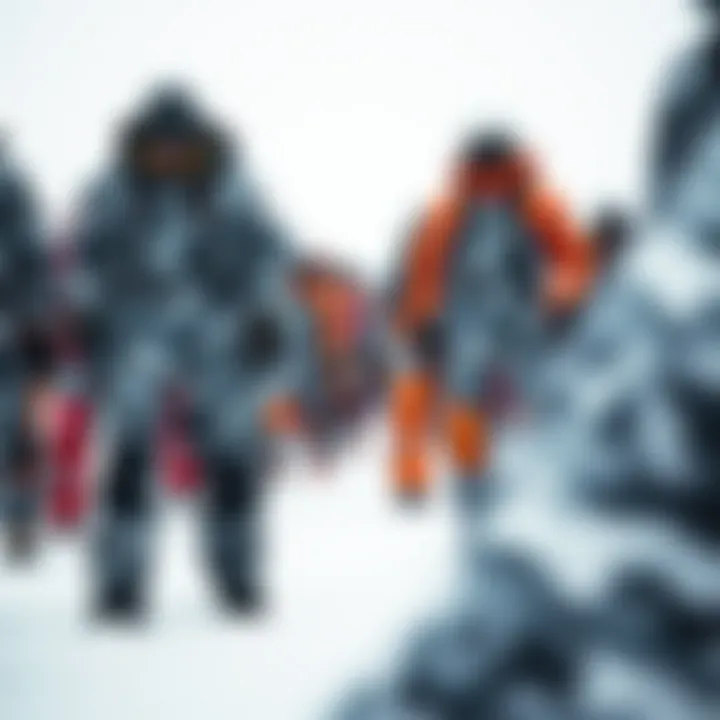
Style variations among snow camo bibs often reflect the diverse backgrounds and tastes of those who wear them. Some riders might lean toward more flashy designs, incorporating bright colors or unique patterns that stand out against the snow. Others may favor a traditional woodland camo style, allowing them to blend into the natural landscape.
For instance, consider the snowboarding community; it is not unusual to see a mix of vibrant designs with retro touches or urban streetwear aesthetics. This gives the snow camo bibs a modern twist while still adhering to their functional roots. The choices made here communicate messages about identity, lifestyle, and sometimes, even political statements.
- Flamboyant styles: Bright colors, unique patterns.
- Traditional looks: Classic woodland patterns.
- Streetwear influences: Vintage or urban designs.
Influence of Culture on Design Choices
Cultural influences are deeply embedded in the designs of snow camo bibs, revealing much about the values and traditions of the communities that embrace them. For example, in regions where extreme sports are closely tied to celebration or local heritage, the designs can emulate local craftsmanship or folklore. These patterns may draw from indigenous designs that respect the environment or showcase historical narratives.
Moreover, the interaction between cultures can spawn an interesting blend of styles. An athlete might wear a bib that combines European classic designs with Asian minimalist aesthetics, demonstrating a melting pot of influences while advocating for inclusivity in sports. This fusion often creates one-of-a-kind pieces that speak volumes beyond their utility.
Collective Trends within the Community
As the landscape of extreme sports evolves, so too do the collective trends surrounding snow camo bibs. Social media platforms like Reddit and Instagram have become hotspots where enthusiasts showcase their unique bibs, leading to widespread trends and even challenges like the #SnowCamoChallenge. Such phenomena foster a sense of community, connecting distant individuals through their shared passion for snow sports.
Trends can vary year by year, influenced by the latest innovations in fabric technology or shifts in popular culture. For instance, if eco-friendly materials become trending, many riders will seek out brands that emphasize sustainable manufacturing practices while also offering stylish designs. In this way, snow camo bibs are not just personal choices; they are reflections of broader movements in the sports community, pushing for creativity and progress in both design and ethical considerations.
"Snow camo bibs offer a glimpse into the heart of extreme sports, merging utility with personal narrative, and showcasing the individuality of each athlete."
Overall, snow camo bibs serve as significant elements that allow individuals to express their unique identities in a broader community context. By embracing variations in style, cultural influences, and the trends that bind communities together, athletes can find more than just protective gear in these bibs—they find a celebration of who they are.
Snow Camo Bibs in Popular Media
The portrayal of snow camo bibs in popular media plays a pivotal role in shaping perceptions and trends around these garments. It’s not simply about aesthetics, as the representation embodies a unique blend of functionality and style suited for extreme sports. The significance of this topic lies in how these bibs influence not only the performance and safety of athletes but also their cultural status within adventure communities.
Representation in Extreme Sports Films
Extreme sports films have long been a vehicle for showcasing the thrills and risks of winter sports. The way snow camo bibs are presented in these films often highlights their role as essential gear for those brave enough to venture into extreme environments. Films like "Into the Abyss" or "Chasing the Snow" not only focus on the exhilarating action but also on the gear that enables such feats.
- Visibility: Snow camo bibs can enhance a skier's or snowboarder’s visibility against the backdrop of white snow. While such attire may not always be the primary focus, it serves as a subtle reminder that choice in gear can impact performance positively.
- Style Statements: The trendiness of snow camo bibs in these films can affect how enthusiasts perceive them. They aren't just cold weather gear; they're fashion statements. The bibs convey a sense of adventure and boldness, fostering a deeper connection with the lifestyle depicted in the film. In many instances, wearing such gear becomes part of the visual language of recklessness and freedom.
Impact on Consumer Trends
The depiction of snow camo bibs influences consumer habits significantly. People tend to gravitate toward what they see in films. According to studies in consumer behavior, visibility of gear in popular media can boost sales markedly. Here are a few considerations:
- Association with Adventure: When viewers see their idols sporting these bibs, a mental association develops between the garment and the thrill of adventure. This lifestyle endorsement can lead to increased interest and purchasing behavior among fans.
- Social Proof: Today’s consumers are affected heavily by what they see online and in the media. As snow camo bibs gain traction in films, social media, and advertisements, people are more likely to seek out these products, believing they represent a reliable option for their winter expeditions.
Influence of Social Media on Popularity
In the era of social media, a product’s popularity can skyrocket overnight. Snow camo bibs have not escaped this dynamic. Platforms like Instagram and TikTok serve as modern-day catwalks for extreme sports enthusiasts, where the gear worn often sparks trends quickly.
- User-Generated Content: Athletes often post images and videos showcasing their skills while wearing snow camo bibs. This kind of user-generated content provides authentic endorsements, leading others to seek similar experiences.
- Hashtag Trends: The use of hashtags related to snow sports can funnel a significant amount of attention toward specific bib brands. As enthusiasts share their experiences, it fosters a communal identity tied to the apparel, amplifying visibility and desirability through collective engagement.
Ultimately, the representation of snow camo bibs across various media channels not only enhances their popularity but also defines a culture of adventure, encouraging viewers to embrace this exhilarating lifestyle.
Culmination
In wrapping up our journey through the nuanced world of snow camo bibs, it's crucial to reflect on the multi-faceted role these garments play for extreme sports enthusiasts. The relevance of snow camo bibs goes beyond mere aesthetics; they embody a blend of functionality, safety, and personal expression that is essential in the demanding environments of winter sports.
Summary of Insights
As explored, snow camo bibs serve as vital attire that protects athletes from the harsh cold and wet conditions often encountered in activities like snowboarding or skiing. They are crafted using advanced materials designed for durability and performance, ensuring that users can navigate snowy terrains without the constant worry of compromised warmth or mobility. Important aspects like breathability, insulation levels, and waterproof capabilities have been discussed, emphasizing their importance in achieving optimal comfort and effectiveness outdoors.
Moreover, personal expression through unique camouflage designs further cements the cultural significance of these garments in the extreme sports community. Individuality merges with functionality, allowing athletes to showcase their style on the slopes while remaining well-equipped for the challenges ahead.
Future Trends in Snow Camo Bib Design
Looking ahead, the evolution of snow camo bib design is likely to take exciting turns, driven by both technological advancements and shifting consumer preferences. There may be a rising trend towards sustainable materials, appealing to environmentally conscious consumers who seek apparel that doesn’t just perform but also respects nature. Innovations in fabric technology could lead to developments like enhanced breathability and lightweight insulation without sacrificing warmth.
Also, as the market diversifies, more options in colors and patterns might emerge, catering to niche markets and personal tastes. With the integration of smart textiles that can monitor body temperature or moisture, the future of snow camo bibs stands to be quite dynamic, combining cutting-edge tech with traditional outdoor wear.
Final Thoughts on Usage and Selection
Investing time in understanding your requirements—be it warmth, fit, or style—is paramount. Engaging with communities, seeking recommendations, and conducting thorough research will empower you to make informed choices that suit not just the sport, but also reflect who you are as an adventurer.
Snow camo bibs are more than just clothing; they are a blend of technology, style, and personal identity that are poised to evolve in tandem with the extreme sports landscape. As trends shift and technologies improve, enthusiasts will surely find themselves equipped with even better capabilities to face the elements.