Where to Buy Roller Skates: A Complete Guide


Intro
Roller skating isn't just a pastime, it's a vibrant community and a thrilling way to express oneself. As folks step into the world of wheels, the search for the right roller skates becomes paramount. Whether you are gliding in a park or participating in fierce competitions, the right pair of skates can make all the difference. But where do you even start? With various options available, this guide serves as a comprehensive pathway through the maze of purchasing roller skates. We'll explore various avenues—be it buzzing retail shops, extensive online marketplaces, or niche specialty stores. Our goal is to equip you with the know-how to choose wisely based on skill level, personal style, and monetary constraints.
Throughout this guide, we will also touch on the importance of fittings to ensure a snug and safe experience. For the budget-conscious, we’ll delve into the potential of buying second-hand skates. Finally, maintaining your skates and ensuring safety gear is just as crucial as the initial purchase. So, whether you're new to the skating scene or you’re a seasoned skater looking to upgrade, this piece will help you navigate the best opportunities to find your perfect skates.
Techniques and Skills Development
When it comes to roller skating, having the right gear is only half the story. The techniques and skills you develop are equally vital.
Key Techniques for Specific Sports
While roller skating is universally enjoyed, it branches into different styles like recreational, artistic, and speed skating. Each demands distinct techniques. For instance, artists need to master intricate footwork and balance, while speed skaters focus on posture and sprint starts. To enhance your skills, start with basic maneuvers such as:
- Stopping: Learn how to use your toe stop or T-stop effectively.
- Turning: Practice carving turns by shifting your weight.
- Crossovers: For speed enthusiasts, mastering crossovers can increase your agility on the rink.
Progression Levels: Beginner to Advanced
It's important to recognize that not every skater is on the same journey. Generally, you can categorize skaters into three levels: beginners, intermediates, and advanced.
- Beginners should concentrate on establishing balance and confidence.
- Those at an intermediate level can start incorporating tricks and advanced stopping techniques.
- Advanced skaters may focus on speed, endurance, and even artistic expressions.
Common Mistakes to Avoid
As with any sport, beginners may stumble into a heap of common pitfalls.
- Neglecting Safety Gear: Always wear protective gear, from helmets to knee pads.
- Skipping the Warm-Up: Warming up is essential to avoid injuries.
- Improper Skating Technique: Not maintaining proper form can lead to accidents.
"Done right, roller skating is a joyous dance on wheels. Done wrong, it can lead to unfortunate tumbles."
Gear Reviews and Recommendations
After sharpening your skills, the next step is finding gear that fits like a glove. Having quality skates isn’t a luxury, it’s a necessity.
Essential Gear for Each Extreme Sport
Every skating style requires different accessories. For recreation skaters, comfort is paramount. Speed skaters need lightweight, sleek options, while artistic skaters look for maximal support and a flexible design.
Product Comparisons and Rankings
It can be dizzying to choose the right product with so many choices out there. Brands like Moxi, Riedell, and Sure-Grip each bring unique features to the table, catering to different skill levels and styles. Make sure to read reviews from reliable sources. Places like Reddit and specialized forums can provide authentic feedback.
Maintenance Tips for Longevity
To ensure your investment lasts, maintenance is key. Regularly check your wheel alignment, clean your bearings, and periodically tighten elements to avoid potential issues.
Safety Guidelines and Tips
Safety should never take a backseat. With roller skating's exhilarating nature comes inherent risks.
Safety Gear Checklist
Before you hit the rink or pavement, ensure you have the following gear:
- Helmet: Essential for head protection.
- Knee Pads: To protect your knees during falls.
- Elbow Pads: Safeguard those elbows.
- Wrist Guards: Crucial for preventing wrist injuries.
Risk Assessment and Management
Be mindful of your surroundings while skating. Uneven surfaces or crowded spaces can create hazards. Recognizing potential dangers can help in avoiding accidents.
First Aid and Emergency Preparedness
It's wise to carry a small first aid kit when skating, especially if you’re venturing out for long rides or into less populated areas. Addressing minor bumps and scrapes swiftly can prevent an unfortunate day turning sour.
As you gear up to purchase your roller skates, keep all of this in mind. Roller skating is an exciting journey, one that's filled with rhythm, community, and exhilaration.
Understanding Roller Skates
Understanding roller skates is crucial for anyone who’s looking to explore this exhilarating pastime or sport. Roller skating, after all, isn't just about gliding on wheels; it's an experience that varies widely based on the type of skates you choose and the environment you skate in. The right pair can make a significant difference in both your comfort and performance.
This section will dive into the various types of roller skates available, their specific characteristics, and suitability for different styles of skating. Whether you're an enthusiast aiming to perfect your skills or a curious beginner eager to hit the rink, having a good grasp on your options is the first step in making an informed decision.


Types of Roller Skates
- Quad Skates: Quad skates offer a classic design with two pairs of wheels positioned side by side. This configuration grants greater stability, making them a popular choice for beginners and recreational skaters. Their wider wheelbase can make it easier to maintain balance while trying to figure out the nuances of skating. One key characteristic of quad skates is their ability to maneuver well in tight spaces, such as around a skating rink or in local parks where space might be limited. However, they may not be the best fit for those looking to speed skate or partake in aggressive skating styles, as they tend to offer less speed overall than their inline counterparts. A unique aspect is the versatility of quad skates when it comes to styles; they can be utilized for dance, roller derby, or simply cruising around.
- In-line Skates: In-line skates feature wheels lined up in a single row, a design that allows for increased speed and distance. One of their key characteristics is their streamlined form, which minimizes wind resistance and provides a smoother ride over longer distances. This aspect makes them an excellent option for fitness enthusiasts and those interested in racing or slalom skating. A unique feature of in-line skates is the variety of wheel hardness and size, which can cater to different surfaces and skating styles. However, they do come with a steeper learning curve for beginners, as their narrow base can make it trickier to maintain balance compared to quad skates. For skaters aiming for agility and speed, in-line skates can be a wonderful choice.
- Specialty Skates: Specialty skates cater to specific skating styles and preferences, including artistic skates, roller derby skates, and speed skates. Artistic skates, for example, often come with a toe stop for tricks and jumps, appealing to those interested in dance skating. On the other hand, roller derby skates are built for durability and grip, made to withstand the rigors of competitive play. A notable characteristic of specialty skates is their customizability; many skaters choose to upgrade certain components, such as wheels and bearings, to better suit their personal skating style or performance goals. This option can seem appealing, yet it might quickly add up in cost compared to standard skates.
Choosing the Right Inline or Quad Skate
Choosing the right skate is no simple task. Factors like your skill level, skating style, and, yes, budget all play significant roles in your decision-making. Here’s a detailed look at these aspects:
- Assessing Your Skill Level: Before purchasing skates, you must realistically assess your current skill level. Beginners often benefit from equipment that prioritizes stability, such as quad skates, whereas advanced skaters might search for speed or agility features found in in-line skates. Understanding where you stand skill-wise helps narrow down the choices effectively. It’s also beneficial in setting goals for improvement, as the right choice today can contribute to a smoother learning curve.
- Identifying Your Skating Style: Different skating styles call for specialized skates. Are you drawn to speed skating, freestyle, or perhaps even artistic skating? Recognizing your preferred skating style is essential in choosing the right equipment that can enhance that experience. For instance, if you wish to dance or perform, then you might lean towards artistic skates; if you want to race your friends down a hill, in-line skates will be a better fit.
- Budget Considerations: Lastly, it’s vital to consider your budget. Roller skates can range vastly in price, from affordable entry-level models to high-end professional skates. It’s important to balance quality with cost, remembering that investing in a good pair can save you a headache later on with potential replacements. Additionally, considering all costs—like protective gear and maintenance supplies—is a smart way to prepare your wallet for the journey ahead.
When thought of as an investment in both safety and enjoyment, choosing the right roller skates can lead to countless hours of fun and the development of a lifelong hobby.
Retail Stores for Roller Skates
When it comes to purchasing roller skates, shopping at retail stores offers tangible benefits that online platforms often can't match. The ability to see, feel, and try on skates can make all the difference in finding the perfect fit for your feet. Retail stores provide the chance to get the guidance you might need from knowledgeable staff who can help with your choice.
Whether you’re a beginner or a seasoned skater, the local shopping experience creates a connection with the products and community. Let’s explore some of the key retail options available for buying roller skates.
Sporting Goods Stores
Sporting goods stores are one of the most accessible options when it comes to buying roller skates. These retailers, often found in most towns and cities, cater to a wide range of sports, making them convenient for customers who might be looking for skates as part of a broader sporting need.
Chain Retailers
Chain retailers, like Dick's Sporting Goods or Academy Sports + Outdoors, have a few distinct advantages. Their reputation alone often brings a level of trust and reliability. Typically, these stores offer a broad selection of skates, covering various brands and styles. One significant perk is that they usually stock the latest models, including the hottest trends in roller skating.
However, a downside might be the lack of specialized knowledge among the staff. While they can help with basic inquiries, if you’re looking for more tailored advice, you might not get that one-on-one experience. Ultimately, a chain retailer can be a great starting point due to its convenience and variety.
Local Shops
Local shops often bring a personal touch to the buying experience. These stores typically have more specialized knowledge and can offer tailored advice based on your individual skating needs. If you’re after community engagement or a specific type of skate, your local shop is likely to hold more niche options that chain retailers might not carry.
That being said, availability can vary greatly depending on the location. Not every community has a dedicated roller skate store, so you may need to travel further. Local shops might have a smaller inventory, which sometimes limits your options. However, the exceptional customer service and unique selection can often outweigh these factors, making them a worthy choice.
Specialty Skate Shops
For those looking to really dive deep into the skating world, specialty skate shops are the go-to option. These stores exist solely to cater to skaters, offering a wider variety of products and knowledgeable staff who share your passion for skating.
Benefits of Specialty Shops
Specialty shops are more than just a purchasing venue; they often serve as community hubs where skaters can gather, share tips, and connect over their shared interests. Here, you can find gear specifically designed for your skating style, whether it’s recreational, artistic, or even roller derby. The staff usually have significant experience in skating, offering detailed advice to ensure you get the perfect fit!
However, one downside may be that specialty shops can often be pricier than larger chain stores. These prices reflect a premium on their expertise and often higher-quality products, which might not be suitable for every budget.
Local vs. National Brands
When considering roller skates, you'll find both local and national brands in specialty shops. Local brands often pride themselves on quality and a personal touch, offering products that might be more attuned to specific community needs and preferences. Many skaters appreciate the local touch, believing these products can provide better performance due to their connections with local skating scenes.
National brands, like Rollerblade or Riedell, bring stability and wide recognition to the table. They tend to have a vast range of models and may offer more competitive pricing due to their larger scale of production.
The decision often comes down to personal preference. Some skaters might swear by the fit and feel of local brands, while others feel a sense of assurance with established names. Each option has its merits, and understanding your priorities can guide you to make the best choice for your skating adventures.
Online Marketplaces for Roller Skates
In the digital age, online marketplaces have become an essential resource for finding roller skates. They offer convenience, accessibility, and often a broader variety than local stores can provide. Whether you're a first-time buyer or an experienced skater looking to upgrade, knowing where to look online is crucial. These platforms can also save you time and money, as they allow for easy price comparisons and product reviews.
Popular E-commerce Platforms
Amazon
Amazon stands as the giant of e-commerce, and for good reason. It acts as a one-stop shop, featuring a vast selection of roller skates, from beginner models to more advanced designs. What sets Amazon apart is its user-friendly interface, making it easy to browse through numerous brands and styles.
Key Characteristic: The customer reviews section is particularly helpful. Shoppers can gain insights from others who have already bought and used the skates, helping to inform their choices.
Advantages and Disadvantages: However, one downside can be the overwhelming number of options, which might create decision fatigue for some. Pricing can also vary greatly, so it’s wise to shop around before making a purchase.
Etsy
Etsy attracts those with a taste for the unique. Unlike mass-market retailers, it is a hub for handmade and vintage items, including custom roller skates. For those seeking a pair that reflects their personal style or supports small businesses, Etsy can be the perfect answer.
Key Characteristic: The platform’s community-driven nature encourages sellers to share their stories, adding a personal touch to each purchase.


Advantages and Disadvantages: Notably, custom options can sometimes come at a premium price, and delivery may take longer than typical online retailers. But for unique roller skates that stand out at the rink, Etsy is unmatched.
eBay
Over the years, eBay has become synonymous with auctions and second-hand goods. This platform can be a treasure trove for those in search of roller skates at a more budget-friendly price. It provides a unique advantage: the ability to bid on skates or buy them outright, often leading to significant cost savings.
Key Characteristic: eBay also has a system for seller ratings, lending a level of trustworthiness to your transactions.
Advantages and Disadvantages: On the flip side, buying second-hand comes with risks—you’ll want to carefully review product listings and seller ratings to avoid receiving less-than-perfect skates. The ability to find rare or outdated models often balances this risk.
Specialized Online Stores
Skate-Specific Websites
Skate-specific websites like SkatePro or RollerSkateNation specialize in roller skating gear, making them an excellent go-to for those in the know. Not only do they house a wide range of products, but they also often include expert reviews and tips on the best skates for various skill levels and styles.
Key Characteristic: These sites frequently offer detailed product descriptions, which can help you make informed decisions based on specific features that matter most to you.
Advantages and Disadvantages: However, keep in mind that specialized stores may not always have the same broad inventory as larger platforms like Amazon. Still, the targeted focus can bring added value.
Comparison Shopping
When diving into the online marketplace realm, comparison shopping can be a game changer. Websites such as PriceGrabber or Google Shopping can help you find the best deals across different platforms, ensuring you don’t miss any discounts or promotions.
Key Characteristic: The ability to see multiple prices for the same product at once allows potential buyers to make decisions that best fit their wallet.
Advantages and Disadvantages: Still, keep an eye on the shipping costs when comparing prices; sometimes, a lower sticker price can be negated by high shipping fees. Overall, comparison shopping can effectively stretch your budget further.
Shopping online can open up a world of possibilities, but patience and caution are key to landing the best deals and finding the perfect pair of roller skates.
Second-Hand Roller Skates
When it comes to buying roller skates, the option of purchasing second-hand can often be overlooked. However, it's a practical avenue that many skaters, both seasoned and new, should explore. Not only can buying second-hand save you a pretty penny, but it can also provide access to models and styles that may no longer be in production or are hard to find in stores. Plus, it’s a sustainable way to skate—making use of equipment that might otherwise collect dust.
Where to Find Second-Hand Skates
Online Platforms
The internet has changed the way we shop, and second-hand skates are no exception. Online platforms like eBay and Craigslist provide vast marketplaces where you can hunt down just about anything, including a great pair of skates. One of the major advantages of shopping online is the sheer volume of options at your fingertips. You can search specifically for the type of skates you're interested in, whether that’s vintage quads or nearly new inline skates.
A key characteristic of these platforms is the power of comparison. You can browse through listings that vary in price and condition from the comfort of your home. However, be wary—it’s essential to do your homework. Pay attention to seller ratings and return policies, as these factors can greatly influence your satisfaction with your purchase. The downside? You can’t try skates on before buying, which can lead to mismatched expectations.
Community Sales
If you prefer more personal interactions, community sales are another rich resource for second-hand skates. These include garage sales, local sport swap meets, or community-based online groups like Facebook Marketplace or neighborhood apps like Nextdoor. Here, you often find great deals and the opportunity to haggle in person.
The charm of community sales lies in the potential for rare finds, as you might come across a pair of well-cared-for skates that someone no longer needs. The downside is that availability may be limited, and you might have to dive into several sales before striking gold. Plus, if you're like me, you might find it hard to resist buying other gear while you’re there, which can easily lead to overstretching the budget.
Evaluating Quality and Fit
As much as you might want to snag a deal, not every second-hand skate is worth your time or money. Evaluating the quality and fit should be high on your priority list, as this can save you headaches down the road.
Inspecting Condition
The first step in evaluating second-hand roller skates involves a thorough inspection of their condition. Look for any obvious signs of wear—cracks in the boot, worn wheels, or damaged bearings can be telltale signs of a pair that might not last long. A key aspect of inspecting condition is the balance between aesthetics and functionality; just because a pair looks good on the outside doesn't mean it's fit for skating.
Taking your time during this step can result in a better experience in the long run. Make sure to ask the seller about any previous maintenance and whether the skates have ever undergone repairs. Knowing the skate's history enhances peace of mind, especially when you're investing your dollars.
Fit and Comfort Assessment
Regardless of how good the condition is, even a top-notch skate won’t do you any good if it doesn't fit properly. Fit and comfort assessment is crucial, especially since comfort plays a massive role in performance. Ideally, when trying on skates, you should feel snug but not cramped.
Often, used skates will have molded to the previous owner's feet. Thus, this factor is one you must investigate carefully. Remember, no one wants to have sore feet ruining an evening at the rink. Adjustments might be necessary, and sometimes it’s worth considering getting footbeds or insoles to improve comfort. The importance of this assessment cannot be overstated; a good fit leads to better control and more enjoyment of your skating experience.
Considerations for Fitting Roller Skates
Choosing the right roller skates isn’t just about finding a pair that looks cool or fits inside your budget. Proper fitting is a key part of achieving that perfect glide and making your skating experience enjoyable. An ill-fitting skate can lead to discomfort, poor performance, and even injuries. Knowing how to get the right fit can be the difference between a smooth sail on the rink or a bumpy ride.
Importance of Proper Fitting
Impact on Performance
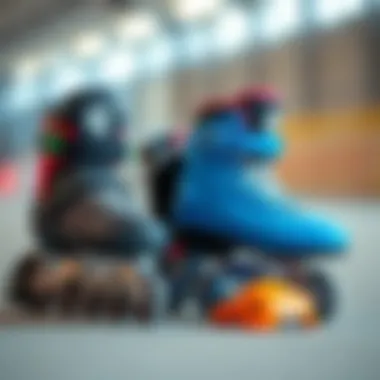
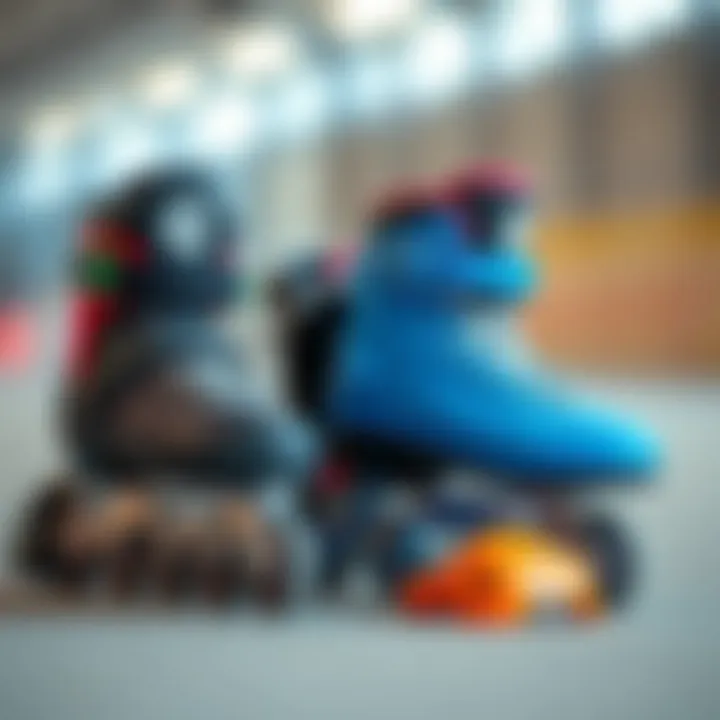
When you hit the rink, you want to flow like water rather than feeling like a fish out of water. The fit of your roller skates heavily influences how you perform. A well-fitted skate gives you better control and responsiveness, allowing for quicker turns and smoother stops. On the flip side, if the skates are too loose, you might find your feet slipping around, causing wobbly moves that make you look like a rookie, even if you've got skills to flaunt.
"The right skate fit transforms your abilities from clunky to graceful."
One standout aspect of performance-enhancing fit is the snugness of the heel. Proper heel retention means that your heel doesn’t lift out of the boot while you skate, which can significantly improve stability. This is why investing time in finding those skates that hug your feet without pinching is essential for top-notch skating.
Comfort and Safety
Let’s talk comfort. Skating isn’t just about making it from point A to point B; it’s about enjoying every glide. A comfortable fit allows you to keep skating for extended periods without feeling like your feet are being tortured. If your skates are too tight, it can cut off circulation, leading to numbness and pain. Conversely, skates that are too loose can lead to blisters and injuries, which nobody wants.
Safety ties directly into comfort as well. When you feel secure in your skates, you’re more likely to push your limits and tackle those risky maneuvers. A snug fitting roller skate minimizes the chance of wobbling or rolling your ankle, which can happen if your foot slides around.
Fitting Tips and Techniques
Trying Before You Buy
How often do you buy shoes without trying them on first? That's right; hardly ever. The same logic applies to roller skates. Trying before you buy lets you evaluate fit accurately. Skating around the shop might feel odd at first, but it's an invaluable step. You'll get to understand how the boots feel as you move.
One benefit of this approach is the opportunity to test out different models. Not all brands fit the same way, and each model may have unique adjustments that gel with your foot's shape. Skating shops often have staff members who can guide you through the process. They can provide insights on the particular fit dynamics of each skate model.
Adjusting for Personal Preferences
Everyone has their own skate preference—some like tighter skates, others prefer a little room. This element requires understanding your own skating style and comfort level. After you find a pair that meets the baseline fitting requirements, adjusting the fit to your liking can take your skating experience from good to great. Whether you throw on thicker socks or swap out a different insole, the choice should resonate with your foot's need.
The great thing about this personal adjustment is that it allows you to tailor your skates precisely to what feels best for you. However, be cautious, as over-adjusting can sometimes lead to less support or discomfort, which is like walking a tightrope. Striking that balance is vital for an outstanding skating experience.
Maintenance and Safety Gear
When it comes to roller skating, it's not just about the wheels and the style. Maintenance and safety gear play an important role in ensuring a smooth and secure riding experience. Proper upkeep of your skates is vital for performance, while safety gear acts as a safeguard against potential injuries. Understanding these aspects can significantly elevate your skating experience, allowing you to enjoy the sport to its fullest.
Necessary Maintenance for Roller Skates
Caring for your roller skates ensures they work optimally and last longer. This means more enjoyable sessions on the rink or the street with less chance of unexpected mishaps.
Wheel and Bearing Care
Proper wheel and bearing care are not just optional tasks; they are fundamental to the functionality of your roller skates. Over time, wheels can accumulate dirt and debris, affecting their performance. Regular cleaning can keep them rolling smoothly. Bearings can become sticky and worn out if neglected, which may lead to a rough skating experience.
- Key characteristic: Routine maintenance like cleaning can extend the life of your skate components.
- Benefits: By taking time to clean and lubricate the bearings, you reduce friction, leading to a smoother ride.
- Unique feature: Adjusting the tightness of your wheels can allow for varied skating experiences, whether you seek speed or tricks. However, over-tightening can restrict movement and create wear.
Boot Upkeep
Boot upkeep is equally essential. Skates can take a beating from regular use, so monitoring the condition of the boots is necessary. A little TLC can go a long way in maintaining their comfort and longevity. Regular inspection can help catch holes, frays, or other damage before it becomes a larger issue.
- Key characteristic: Wearing boots that are well-fitted and maintained ensures a proper fit.
- Benefits: Keeping your boots clean and dry prevents unpleasant odors and deterioration in material. A thorough check can help identify problems like loose bolts or swelling in the lining, leading to added comfort.
- Unique feature: Using specialized cleaning materials can enhance your boots. However, be careful of using harsh chemicals that may damage the materials.
Essential Safety Equipment
No matter how experienced you are, the need for adequate safety gear cannot be overlooked. Skating poses risks, and with the right equipment, you can minimize those risks.
Helmets and Pads
Helmets and pads serve as the first line of defense in case of falls or collisions. While some may be hesitant to wear visible gear, the importance of helmets cannot be stressed enough; head injuries can be serious.
- Key characteristic: Helmets come in various styles, designed to cater to different levels of skaters.
- Benefits: A good helmet absorbs impact, protecting your brain from serious injuries. Similarly, knee and elbow pads cushion your joints during a fall, reducing the risk of scrapes and bruises.
- Unique feature: Some helmets are equipped with ventilation systems, making them more comfortable for longer skating sessions. Although purchasing safety gear can be an extra cost, it’s better to be safe than sorry.
Choosing the Right Protective Gear
Selecting the correct protective gear boils down to personal choices and skating preferences. The right pieces can make all the difference, impacting both safety and comfort levels.
- Key characteristic: Look for gear that fits well and is suitable for your skating style, whether it's leisurely or aggressive.
- Benefits: Quality protective gear can significantly reduce injury risks, allowing you to skate confidently and enjoy your time on the wheels.
- Unique feature: Many brands offer gear in various sizes and styles, appealing to a wide array of skaters. But price points can vary widely, so it's wise to weigh the benefits against your budget and usage frequency.
Ending
When it comes to figuring out where to buy roller skates, having a well-rounded understanding is vital. This article has laid out not just avenues for purchase, but also delved into considerations that matter deeply for both new skaters and those who have been rolling for years. The process of buying roller skates doesn’t merely stop at selecting a pair that looks good. It involves assessing your skill level, understanding your skating style, and matching those with options within your budget. The value of comfortable skates can't be overstated, as they not only enhance performance but also ensure safety on the rink or the street.
Notably, whether you're leaning towards retail stores, considering online marketplaces, or exploring second-hand options – every avenue comes with its own set of benefits and drawbacks. The article highlights that familiarizing yourself with these can lead to better purchasing decisions that match your skating aspirations. Moreover, ensuring a proper fit, maintaining your skates, and investing in safety gear adds another layer of protection and comfort. After all, no one wants to have a rough time while trying to enjoy their passion.
In summary, being informed equips you to navigate the marketplace with confidence. The modern skater is forward-thinking, willing to engage with various sources – be it local shops or expansive online platforms like Amazon and Etsy. Taking the time to weigh these options gives you a better shot at finding that perfect pair.
"Informed choices lead to not just better purchases, but a richer experience overall."
Summary of Key Points
- Different Types of Roller Skates: Understand the distinction between quad and in-line skates and their relevant features. Know what works best for your skating style.
- Buying Venue Considerations: Evaluate retail stores vs. online marketplaces. Each has its advantages, whether it’s hands-on trial in a store or the convenience of online shopping.
- Importance of Fit: Proper fitting plays a crucial role in the overall experience. Skates that fit right support performance and promote safety.
- Maintenance and Safety Gear: Don’t skip on the upkeep of your skates. Regular maintenance prolongs lifespan and complements safety equipment like helmets and pads.
- Second-Hand Opportunities: Buying pre-owned can be both economical and sustainable. Just make sure to inspect the quality carefully before committing.
Final Thoughts on Buying Roller Skates
As you embark on your journey into roller skating, keep in mind that the right equipment sets the stage for a thrilling experience rather than a cumbersome one. The market is rich with choices, so take your time to consider all factors involved. Remember, this guide serves as a launching pad for skating enthusiasts eager to carve out a niche in the vast expanse of roller skating culture. After all, roller skating is more than just a hobby; it’s a means of expression, a community, and an adventure that awaits you wherever the wheels take you. Being well-prepared ensures that every roll you take, whether solo or in a group, is met with the joy and excitement it truly deserves.